Showing posts with label reading to children. Show all posts

Sunday, November 27, 2011

Word Harvesting: Using Authentic Literature as the Source for Vocabulary Learning (Rasinski)

Timothy Rasinski is a professor of literacy education at Kent State University. He has written over 200 articles and has authored, co-authored or edited over 20 books or curriculum programs on reading education. He is author of the best selling book on reading fluency entitled The Fluent Reader, published by Scholastic. His scholarly interests include reading fluency and word study, reading in the elementary and middle grades, and readers who struggle. Tim is the author of the fluency chapter for Volume IV of the Handbook of Reading Research. He recently served a three year term on the Board of Directors of the International Reading Association and from 1992 to 1999 he was co-editor of The Reading Teacher, the world's most widely read journal of literacy education. He has also served as co-editor of the Journal of Literacy Research. In 2010 Tim was elected to the International Reading Hall of Fame.

Have you ever seen a writing rubric that doesn’t include “word choice” as one of the criteria against which to assess the quality of students’ writing? Word choice goes beyond students’ writing. Published authors themselves, whether of adult or children’s literature, choose interesting words to improve their writing. Thus it stands to reason that books, poetry, and other published materials that students read are likely filled with interesting words. As teachers we should take advantage of this treasure trove of words.

I had an old professor who was known for saying, “Teaching is the process of making visible that which is normally invisible.” Teachers help students discover what is often hidden from their view. The words in literature are often hidden from the view of students. When students read or are read to by their teacher or parent, they are often so engrossed in the story that they do not recognize the wonderful words that the author has used to craft her story. The words are essentially invisible to the students. Even in stories for young children, readers can find rich words woven into the texts. Take, for example, the opening pages to William Steig’s (1969) classic Sylvester and Magic Pebble.
Sylvester Duncan lived with his mother and father at Acorn Road in Oatsdale. One of his hobbies was collecting pebbles of unusual shape and color.
On a rainy Saturday during vacation he found a quite extraordinary one. It was flaming red, shiny, and perfectly round, like a marble. As he was studying this remarkable pebble, he began to shiver, probably from excitement, and the rain felt cold on his back. “I wish it would stop raining,” he said.
To his great surprise, the rain stopped. It didn’t stop gradually as rains usually do. It ceased!
Although intended primarily for children in their early childhood years, this excerpt containing a mere 95 words includes the following words: pebbles, extraordinary, remarkable, gradually, ceased. Indeed, Cunningham and Stanovich (1998) report that 1.6% of the words found in books for preschoolers and 3.1% of the words in books for the elementary grades are rare, words that are not normally used in conversation. Comparably, 1.7% of the words uttered in conversations of college graduates are rare words. Now, I am not trying to suggest that adult college graduates converse at the level of a preschool book; rather, the point I make is that literature, even for preschoolers, contains a rich corpus of words worth learning – both for reading and for writing. If students encounter unusual and interesting words in reading literature, clearly it is to their benefit to know these words in order to more fully understand what they read. Additionally, since authors purposefully choose interesting, tier 2 (Beck, McKeown, & Kucan, 2002) words for their writing, students will improve their own writing when they choose to use such interesting words. The question, then, becomes, how can teachers take advantage of the interesting words found in the books and other literature that children read? Word harvesting is one way.

Word harvesting is a simple method to help make these fabulous words found in trade books, poetry, song lyrics, and written texts more visible to students. In word harvesting, students along with the teacher select words they think are interesting from authentic texts that students are reading or have had read to them. Because students choose the words, they have ownership of the words. A good place to start word harvesting is to incorporate it into the daily classroom read aloud. 

Steps involved in word harvesting during read aloud:

1) The teacher reads an authentic piece of literature to students daily. Prior to reading to students the teacher asks students to enjoy the story but also to listen for any interesting words that the author may have used. Students may jot down the words on a piece of scratch paper.

2) At the end of the read aloud teacher and students spend a few minutes talking about the story. The teacher also asks students to call out the interesting words that they may have heard read by the teacher.

3) The teacher writes the words on a sheet of chart paper (Read Aloud Word Wall) displayed in a prominent place in the classroom. The teacher may also add a word of her own choosing. Students may also be asked to write the words in their own personal word journals. As the teacher writes the words she may elaborate on the meanings of the words, provide synonyms, and/or use the words in exemplar sentences. The class should aim for choosing five to ten words from each read aloud session.

4) Think of the Read Aloud Word Wall as a kind of billboard or advertisement for the words – inviting students to read and use the words. Thus, over the course of the next several days the class (teacher and students) make a purposeful effort to use the words from the Read Aloud Word Wall in their oral and written language. Because many of the words are not normally used in students’ normal oral language, the teacher should take the lead in using the words in her own language. Words on the word wall can also be read chorally by the class over the next several days.

5) On subsequent days, the same routine is followed during and after the read aloud. With each read aloud session, a new word wall chart is put on display, making visible for students the words used by the author to help make his or her writing even better.

The beauty of word harvesting is that it is such a simple activity that can easily be fit into an already existing classroom activity --- reading aloud. Word harvesting can also occur when students read a poem chorally or sing a song as group (e.g. I recently sang Grand Old Flag by George M. Cohan with a group of primary grade students. We harvested grand, acquaintance, boast, brag, peace, and emblem). The number of words that can be harvested and learned over the course of a year is nothing short of staggering. If a teacher reads to her students and harvests 5-10 words daily over the course of a 180 day school year, she can expect her students to be exposed to 800-1,600 words -- words that authors have used to craft their texts.

Students can also harvest words individually during their own personal reading. These words can be posted into their own personal word journals. Selected students can be invited to add a word or two from their own reading to the classroom word wall.

Second grade teacher Cheryl McBride (Rasinski, Fawcett, Lems, & Ackland, 2010) employs word harvesting with an interesting twist. While group reading Chicken Sunday (Polacco, 1992) her students added the following words to their word wall: solemn, intricate, solo, and splendid. Students read the word wall regularly in Cheryl’s class. However, she added something else to motivate them to actually use the words in their everyday speech. Each day she puts a hotel call bell on a different student’s desk. Whenever the assigned “bell dinger” hears one of the word wall words in classroom conversation he or she rings the bell. “Not only were students listening for the words to see if the “bell dinger” would catch it, they were intentionally using the words so that the bell would ring” (Rasinski, Fawcett, Lems, & Ackland, 2010, p. 50). Cheryl adds, “What impressed me most was, all of a sudden, they were looking at the word wall… With very little effort on my part, they are trying to use words in conversation. They’re always listening” (Rasinski, Fawcett, Lems, & Ackland, 2010, p. 50-51). During a recent district benchmark testing, the bell was put into Cheryl’s drawer. Throughout the testing period she could hear students softly making a “ding” sound as they encountered previously harvested words that were now part of their vocabulary. With the use of authentic texts and a hotel call bell, Cheryl has been able to make previously invisible words visible to her students.

Students are more likely to learn words when they are given a chance to choose the words they wish to learn. Moreover, students are more likely to appreciate well written texts when they are able to see that published authors improve their writing through their choice of words in their writing. Word harvesting is one way to help make visible to students the wonderful words authors use to craft their texts and to encourage students to make those words their own.

References
  • Beck, I., McKeown, M. & Kucan, L (2002) Bringing words to life: Robust vocabulary instruction. New York: Guilford.
  • Cunningham, A.E. & Stanovich, K.E. (1998). What reading does for the mind. American Educator, 22, 8-15.
  • Polacco, P. (1992). Chicken Sunday. New York: Philomel Books.
  • Rasinski, T., Fawcett, G., Lems, K., & Ackland, R. (2010). The fluent reader in action: Grades PreK-4. New York: Scholastic.
  • Steig, W. (1969). Sylvester and the magic pebble. New York: Simon and Schuster.

Sunday, June 26, 2011

Developing Language, Knowledge, and Vocabulary via Dialogic Reading Methods (Urbani)

Jacquelyn M. Urbani, Ph.D., contributed this post. Dr. Urbani specializes in reading research and in educating students who are deaf and hard of hearing, where learning to read and developing a broad vocabulary is particularly challenging. Her groundbreaking doctoral research involved helping teachers use dialogic reading procedures during storytime in deaf education classrooms. Before gaining her doctorate at UC Berkeley, Jaci was a teacher for 12 years.

Recent posts have described ways to optimize student vocabulary growth through storybook reading (see prior posts one and two). Reading to children is considered one of the best activities for developing the language, knowledge, and vocabulary essential for future success in reading (1). In particular, reading to children is considered valuable because of the simultaneous presentation of oral and written language as well as its interactive nature (2). This post will describe a specific kind of reading to children, dialogic reading, developed for the express purpose of facilitating students’ expressive language.

What is Dialogic Reading?
Dialogic reading aims to make students more active participants in the reading process by having adult readers engage students in discussion and retellings of the stories (3). Parents and teachers are encouraged to use specific kinds of interactions with children, based on the acronyms PEER and CROWD. PEER stands for Prompting of the child, Evaluating and Expanding upon their responses, and asking children to Repeat correct responses. Prompts are further described using the acronym CROWD: Completion questions (asking students to complete a phrase); Recall (asking children to remember details); Open-ended questions (encouraging student discussion of story ideas and the use of new vocabulary); Wh-word questions (who, what, where, when); and Distancing (making connections between the book and the students’ lives). Examples of dialogic reading prompts are provided below (4), referring to the children’s classic storybook Corduroy, by Don Freeman.


CROWD 
A mnemonic for types of questions and interactions: Completion, Recall, Open-Ended, Wh-word (who, why, where, what, when), Distancing

  • Completion       "Corduroy lost a _____________." 

  • Recall               "Do you remember what happened with the security guard?" 

  • Open-Ended     "What happens when Corduroy looks for his button?" 

  • Wh-word          "Who found Corduroy in the bed?" 

  • Distancing        "What are your favorite toys?" 


PEER 
A mnemonic for Prompt, Evaluate, Expand, Repeat

  • Prompt        (prompting the child -- a question or comment) 

  • Evaluate      Provide gentle correction to student misinformation: "This is not an elevator. It's      called an escalator." 

  • Expand        Provide further information: "Escalators are like stairs that move for you, so you don't have to use your energy." 

  • Repeat         Ask students to repeat a correct response: "Tell me again why Lisa's mom does not let her buy Corduroy." (First, discuss the reasons.)


In my research, I found that teachers often responded to a description of dialogic reading by saying, “I’m already doing that. I ask lots of questions.” However, I found that teachers initially were using simple question types, such as yes/no questions or comprehension checks that required only a one-word response from students. As teachers became aware of the kinds of questions they were asking (this can occur through team teaching, mentoring, and/or critical friends), they were able to modify their language to incorporate more recommended features. Similar to previous posts, the recommendation with dialogic reading is for multiple readings. The first reading serves to engage students in the story and plotline. Subsequent re-readings provide opportunities for students to discuss topics and concepts presented by the book. However, typical teacher-student ratios of early childhood classes often limit such opportunities—which can be particularly problematic for students with language delays and/or English Language Learners. Therefore, teachers are encouraged to work with small groups of three to five students.

Potential Challenges When Implementing Dialogic Reading
Dialogic reading does require effort: quite honestly, it is easier to conduct a storybook reading if the teacher is the only one talking. Using dialogic reading emphasizes the multi-tasking nature of teaching. The teacher is reading and managing behavior as well as engaging students by using specific prompts, encouraging comments, facilitating conversational turn-taking, and keeping track of who has yet to enter the discussion.

Facilitating this student conversation is often uncomfortable for teachers, as they leave their comfort zone and give up some control. In my research on implementing dialogic reading practices, one teacher remarked that she was not sure how far to allow the conversation to go. My response was that if students are asking questions and making comments, these may indicate areas of interest and areas where they do not have the necessary background knowledge; she could then offer explanations to further both their conceptual knowledge and the conversation. However, it is also important to recognize when the conversation has strayed and it is necessary for the teacher to refocus the group on the storybook reading.

Dialogic reading may be difficult to implement, especially initially. An important feature for success is pre-reading the book. While teachers expressed frustration that they did not have time to pre-read the book, when they did make the time, they found it allowed them to consider appropriate prompts and questions, which were more easily integrated into the reading activity. (Because of the multiple readings of the book, this means teachers only need to read one book per week, which should be much easier than reading a new book per day.)

Because of the re-readings of the same book, I suggest reading to the same small group of students during the week. If it is necessary to stop the reading, teachers can resume at the appropriate place the next day. Also, teachers can continue previous conversation by saying, “Remember yesterday Talia asked about . . . and Billy commented on . . .” This also brings focus and support to the social aspect of learning. Students can rotate to new small groups weekly so they learn from each other and are not in static peer groups.

There are days when teachers will say, “Today, I’m just going to read, and we’re not going to make comments, and you all can relax and calm down.” This is necessary—for general sanity—every once in a while. But it shouldn’t be the nature of reading everyday, especially when dialogic reading offers clear benefits for language development, including vocabulary growth.

Dialogic reading is a recommended practice of the What Works Clearinghouse. Further description and research can be found there.
____________________________________
1.  Adams, 1990; Dickinson, McCabe, & Anastasopoulos, 2003; National Academy of Education, 1985.
2.  Ezell & Justice, 2005; National Academy of Education, 1985; and Snow, Griffin, & Burns, 2005).
3.  Whitehurst, et al., 1988; Whitehurst, Arnold, et al., 1994; Whitehurst, et al., 1999).
4.  Adapted from Pearson Early Learning, 2006.

References: 
  • Adams, M. J. (1990). Beginning to read: Thinking and learning about print. Cambridge, MA: MIT   Press.
  • Dickinson, D. K., McCabe, A., & Anastasopoulos, L. (2003). A framework forexamining book reading in early childhood classrooms. In A. van Kleeck, E. B. Bauer, & S. Stahl (Eds.), On reading books to children: Parents and teachers (pp. 95–113). Hillsdale, NJ: Erlbaum.
  • Ezell, H. K. & Justice, L. M. (2005). Shared storybook reading. Baltimore: Paul H. Brookes Publishing Co.
  • National Academy of Education (1985). Becoming a nation of readers: The report of the Commission on Reading. Washington, DC: Author.
  • Pearson Early Learning. (2006). Read together, talk together: A dialogic reading program for young children. Available from Pearson Early Learning at www.PearsonEarlyLearning.com.
  • Snow, C. E., Griffin, M., & Burns, M. S. (Eds.) (2005). Knowledge to support the teaching of reading: Preparing teachers for a changing world. San Francisco: Jossey-Bass.
  • Whitehurst, G. J., Arnold, D.S., Epstein, J.N., Angell, A.L., Smith, M., & Fischel, J.E. (1994). A picture book reading intervention in day care and home for children from low-income families. Developmental Psychology, 30(5), 679-689.
  • Whitehurst, G. J., Falco, F. L., Lonigan, C. J., Fischel, J. E., DeBaryshe, B. D., Valdez-Menchaca, M. C., et al. (1988). Accelerating language development through picture book reading. Developmental Psychology, 24(4), 552-559.
  • Whitehurst, G.J., Zevenbergen, A.A., Crone, D.A., Schultz, M.D., Velting, O.N., & Fischel, J.E. (1999). Outcomes of an emergent literacy intervention from Head Start through second grade. Journal of Educational Psychology, 91(2), 261-272.

Sunday, June 12, 2011

Five-Day Plan for Developing Breadth of Vocabulary via Storybook Reading

This post builds on the prior post, which described how to use storybook reading to build depth of word knowledge. The upcoming third -- and final-- post in the storybook-reading series will describe how to use a method called "Dialogic Reading" to promote language, knowledge, and vocabulary (see published post by Jaci Urbani, Ph.D.).

Today, I describe a research-tested method for using storybooks to develop breadth of word knowledge so young children might learn many meanings relatively quickly, but not deeply. At the least, children need to be able to recognize a word when they hear it and understand its most common and least abstract meaning. Learning many meanings quickly but fairly superficially is an important goal, especially when the students know drastically fewer words than their peers. Children must rapidly develop a broad vocabulary, learning many meanings partially, yet well enough to get the gist of a variety of texts. (Sounds awfully tricky, but the brain was born for this! Language comes naturally to most of us and will flourish if carefully fostered in a word-rich learning environment.)

To learn more about the difference between partial knowledge and more complete mastery of word meanings in elementary grades, see Words Worth Teaching: Closing the Vocabulary Gap (Biemiller, 2010). This book is also an excellent resource when considering which words to teach (and see Fisher and Frey’s post on word selection).

Five-day plan for teaching vocabulary via storybook reading: This plan is based on Biemiller and Boote (2006) and on recent conversations with Dr. Biemiller. The goal is to teach many word meanings quickly and superficially. Thirty minutes per day were allocated for each lesson. Students were taught about 25-30 word meanings per week.

This plan is only a guide. Various factors need be considered, including the grade level and verbal proficiency of the students, the complexity of the target words, and the appeal of the story itself (who wants to hear a boring story four times?). As to that, Biemiller and Boote found that repeating the same story four times resulted in a larger effect size in kindergarten, compared to second grade.

At any rate, here is the basic five-day plan:

Day 1: If necessary, preteach one or two key concepts to enable comprehension of the story. For example, Biemiller and Boote (2006) pretaught circus before reading Clifford at the Circus. Prior to reading the story, 30% of the kindergartners were unfamiliar with the concept. Afterwards, 100% of them demonstrated an understanding of circus.

Read the story once without stopping. Then ask some basic comprehension questions, but do not teach any word meanings.

Day 2: Read the story again, stopping to briefly explain about 7-10 words. New comprehension questions are raised after reading. Word meanings taught that day are reviewed again after reading.

Day 3: Read the story again, stopping to briefly explain about 7-10 more words. New comprehension questions are raised after reading. Word meanings taught that day are reviewed again after reading. (Based on study 2 by Biemiller and Boote, and recent conversations with Biemiller, I suggest teachers briefly review all taught words.)

Day 4: Read the story again, stopping to briefly explain about 7-10 more words. New comprehension questions are raised after reading. Word meanings taught that day are reviewed again after reading.

Day 5: Briefly review all word meanings learned thus far. Informally assess learning. Provide each word in a different context (not context lifted from the story), perhaps asking students to respond with their thumbs-up or thumbs-down. Look for partial understanding of the meaning.

Interpreting your assessment results: Expect students to remember only about one-third to one-half of the words taught, at most, even if the meanings are reviewed cumulatively. In the second part of the study by Biemiller and Boote (2006), the teachers recommended adding more review to the methodology. Biemiller and Boote agreed with the modified procedure, so the teachers folded more review into the lessons. Thus, children learned and remembered about one-half of the words that were unknown to them, according to the pretest, on average. However, in other studies, children have learned and remembered only about one third of the taught words--sometimes not even that many.

Validate children for a job well done if they learn and remember only one-third to one-half of the words taught, because even in fairly optimal research conditions, the average child does not perform better.

Days 6 to… Revisit words in subsequent weeks and months, in varied context. Biemiller and Boote (2006) have found that retention of learned vocabulary was even greater six weeks after instruction. Why was retention greater six weeks later, when typically we forget things over time? Was the initial instruction successful enough so the children could continue to add to their lexical understanding through new context they encountered? Did the teachers continue to use the words in meaningful context? We do not know why the average child knew more meanings six weeks later, but this is certainly a happy finding!

Below, I provide an excerpt from Biemiller and Boote (2006). They discuss how many times to read a book, by grade level, and how each new reading provides another opportunity to learn more word meanings.
How Many Times Should Texts Be Reread?
In Grades 1 and 2, the percentage of meanings learned was about the same when books were read twice as when books were read four times (Study 1). (In kindergarten, reading books several times was more effective and is generally welcomed by children.) However, more word meanings can be taught in a week if the same book is read four times rather than two times. This is because different word meanings are taught on each of three readings rather than one. … The present method was effective, but the issue of repeated reading procedures requires more research. (p. 55)

Book selection: It is important to begin by selecting a suitable and captivating book. Suggestions for selecting books are discussed in the prior post and in Preschool: Where the Wild Words Are.  Biemiller and Boote (2006) used the following books, recommended by the classroom teachers and the school librarian.

Kindergarten
There Is More, Much More (Alexander, 1987)
Mud (Ray, 1996)
Something From Nothing (Gilman, 1992)
Clifford at the Circus (Bridwell, 1985)
Jillian Jiggs (Gilman, 1977)

Grade 1
Going Down the Road (Schertle, 1995)
The Seashore Book (Zolotow, 1992)
The Tree That Grew to the Moon (Fernandes, 1994)
Julian (Khalsa, 1989)

Grade 2
Drac and the Gremlin (Baillie & Tanner, 1991)
Alexander and the Wind-Up Mouse (Lionni, 1969)
Brenda and Edward (Kovalski, 1984)
The Chicken Cat (McLellan, 2000)

References:

Biemiller, A. (2010). Words worth teaching: Closing the vocabulary gap. Columbus, OH: SRA/McGraw-Hill.

Biemiller, A. & Boote, C. (2006). An effective method for building meaning vocabulary in primary grades. Journal of Educational Psychology, 98 (1), 44-62.

Sunday, May 29, 2011

How to Read Aloud to Children to Optimize Vocabulary Growth

One established way to promote vocabulary is by reading aloud to children. Educators, including librarians and parents, are encouraged to read to children at every age, beginning in infancy. Children's books often contain rich and savory vocabulary. As shown on the chart, Hayes and Ahrens (1988) examined the words used in varied types of content. They found that, compared to the recorded conversations of college students, children's books contained nearly twice as many rare or infrequently used words. The vocabulary used in children's books also far exceeded that of television programs.
Click to enlarge chart.

What should we read to children?
This varies by age and child, but strive for variety: Read fiction and nonfiction, prose and poetry, news articles, etc. Select materials that offer some unknown words and/or concepts. Younger children tend to benefit from narrative storybooks with a fairly predictable story grammar (e.g., "Once upon a time" or something similar). It is also beneficial to read nonfiction in early childhood, including books about dinosaurs or types of locomotives, for example. Select captivating children's books that contain rich vocabulary (see Where the Wild Words Are by Lucy Hart Paulson).

Also, when selecting books, bear in mind that children come to school with vastly different prior experiences with stories, based largely on the culture and language of the home. This question was explored in a previous Vocabulogic survey. Visit Twiigs Poll  to view the closed survey: "Collectively Shared Cultural Literacy and the Movie Industry."

How often and for how long should we read to children?
Read to children every day, if possible. For how long? That varies by the attention span of the child, the interest level of the child, and the competing priorities of the day. Perhaps we should strive for a minimum of 15 minutes each day. Does that sound reasonable?

Can children learn a new word from only one exposure to it?
Yes, children can learn a new word through only one exposure to it as a process called “fast mapping” takes place (Carey & Bartlett, 1978). Children mentally "map" the new word to a superficial and context-specific understanding. Fast mapping does not result in depth of knowledge, but learning does occur, and in a natural manner, through conversations or storybook reading, for example. If the child does not hear the word again within a reasonable time, it is probably forgotten. 

Do children learn words if the book is only read once?
Yes, reading a story only once to children results in word learning. This is good! However, the effect size tends to be small, the knowledge less robust, and the words are more quickly forgotten. In addition, children do not tend to learn the words well enough to produce them themselves via writing or speaking (see Coyne et al., 2010; McKeown & Beck, 2011). Word knowledge is typically receptive, not productive.

How can we improve the likelihood that, by reading aloud to children, words will be learned more deeply and remembered longer? 
Even though researchers are still debating how children learn words from read-alouds, and they take different theoretical positions, they tend to agree on three big ideas:

1) In general, reading aloud to children results in more lasting vocabulary growth if we read the book more than once in the same week. However, this varies by grade level. Repeating the same story four times has resulted in a larger effect size in kindergarten, compared to second grade (Biemiller & Boote, 2006).

2) In general, reading aloud to children results in deeper and more lasting vocabulary growth if we read the book more than once in the same week AND we directly teach the meaning of targeted words by paraphrasing them or briefly defining them at point of use in the text.

Note: Read the entire story without stopping, the first time, to better ensure enjoyment and to avoid disrupting the train of thought or losing track of the main ideas of the story. During subsequent readings, stop to briefly explain or paraphrase target words. 

3) In general, reading aloud to children results in deeper, more lasting, and more productive vocabulary growth if we read the book more than once in the same week AND we directly but briefly teach target words at point of use in the text AND we follow this with interactive word study (Beck, McKeown, & Kucan, 2002; Coyne et al., 2010; McKeown & Beck, 2011.)

Should we preteach a few words BEFORE we read the text to the class? 
Depending on the student's background knowledge, we may need to preteach one or two key words. Often, an understanding of a specific concept is required if the listener is to understand the piece. For example, in a kindergarten lesson, Biemiller and Boote (2006) taught circus before reading Clifford at the Circus. Preteaching key concepts is a practice that applies to every grade level and every subject area (see post by Joan Sedita).

How might we quickly teach word meanings DURING the read-aloud?
There are a number of ways to directly teach word meanings while in the midst of reading to children. Perhaps the simplest is through the use of paraphrasing. When reading aloud at any grade level, teachers paraphrase a word to ensure students understand it. This takes only a moment. For example: “Once upon a time a lass (a girl) lived with her grandmother in a cottage (a small house)." After paraphrasing, reread the sentence, but without the scaffold: "Once upon a time a lass lived with her grandmother in a cottage."

How might we help children interact with target words AFTER the read-aloud, to develop depth of knowledge and productive use of the words? What does interactive, responsive, engaging word study look like?
In follow-up lessons after the story has been read at least once, provide ways for children to engage with the word in contexts other than the story.  Help them create semantic connections and build networks of related words and concepts. For example, if children are taught the concept stubborn to augment the rather simple vocabulary in Green Eggs and Ham, they could discuss how stubborn plays out in Mike Mulligan and His Steam Shovel. Thus, they learn another application of the word, with a slightly different nuance. To prompt productive vocabulary, have children say and/or write the word. Encourage discussion and debate as children engage in word sorting activities with partners. Furthermore, have children juxtapose two learned words against each other. For example, after children have learned drenched and stubborn, ask them to use both words in the same sentence. Have them compare shades of meaning: Which word is wetter: drenched, damp, wet, watery, waterlogged, saturated, dripping, soaking, sopping? How is drenched similar to and different from damp? Tell a friend about a time you got drenched. Also, depending on the grade level, include morphology in the lesson if the word contains common prefixes, base words, or suffixes. Again, depending on the grade level, develop figurative knowledge: Could a rose be drenched in sunshine? How could a rock be stubborn?

There is a growing body of research showing the promising effects of elaborative, interactive word study, built around repeatedly reading a story aloud in primary grades (Beck, McKeown, & Kucan, 2002; Coyne et al., 2010; McKeown & Beck, 2011). This research has also been applied to Response to Intervention models of instruction in primary grades (see post by Michael Coyne.) Furthermore, this method of instruction has been found to be effective with English Language Learners in kindergarten (Silverman, 2007). However, by spending so much time interacting with words in responsive and meaningful ways, there is only time to explore about 3-5 words per day.

On the other hand, there is another body of research showing the effects of teaching more words per day during storybook reading (about 7-10 words per day, 3 or 4 days a week). This method teaches words fairly superficially, spending less time interacting with each word, with the goal of developing greater breadth of knowledge (e.g., Biemiller & Boote, 2006). This goal will be discussed in more depth in the next post.

References:

Beck, I., McKeown, M., & Kucan, L. (2002). Bringing words to life: Robust vocabulary instruction. New York: Guilford Press.

Biemiller, A. & Boote, C. (2006). An effective method for building meaning vocabulary in primary grades. Journal of Educational Psychology, 98 (1), 44-62.

Carey, S. & Bartlett, E. (1978). Acquiring a single new word. Proceedings of the Stanford Child Language Conference, 15, 17-29. (Republished in Papers and Reports on Child Language Development 15, 17-29.)

Coyne, M. D., McCoach, D. B., Loftus, S., Zipoli, R., Ruby, M., Crevecoeur, Y. & Kapp, S. (2010). Direct and extended vocabulary instruction in kindergarten: Investigating transfer effects. Journal of Research on Educational Effectiveness, 3, 93-120.

Hayes, D. P., & Ahrens, M. G. (1988). Vocabulary simplification for children: A special case of 'motherese'? Journal of Child Language, 15, 395-410.

McKeown, M.  & Beck, I. (2011, April). Two approaches to vocabulary instruction for kindergarteners: Comparing effects on comprehension. (Poster talk at American Educational Research Association, New Orleans.)

Silverman, R. (2007.) Vocabulary development of English-language and English-only learners in kindergarten. Elementary School Journal, 107(4), 365-383.

Sunday, April 3, 2011

Supporting Early Vocabulary Development within an RTI Framework (Coyne)

This post is courtesy of Michael Coyne, associate professor in the Neag School of Education at the University of Connecticut and a Research Scientist at the Center for Behavioral Education and Research. His research on beginning reading and early vocabulary instruction and intervention is funded by the U.S. Department of Education's Institute of Education Sciences (IES). Michael is a former special educator in public schools. His publications include a useful guide for teachers:  Effective Teaching Strategies That Accommodate Diverse Learners.  

RTI Supports
Schools are increasingly implementing response to intervention (RTI) or tiered systems of support in an attempt to more effectively and efficiently meet the beginning reading needs of all students, especially those students who are at risk for experiencing learning difficulties. Although there are many different components associated with RTI supports, central features include a) consistent high quality classroom, or Tier I, instruction, b) universal screening of all students using measures that are predictive of response to Tier I instruction, and 3) small group intensive, or Tier II, intervention that supplements classroom instruction for students identified as at-risk by screening measures (National Center on Response to Intervention, 2010).

Tiered intervention approaches provide a powerful framework for supporting student learning and practices associated with RTI have evidence of accelerating student achievement (Gersten et al., 2009). To date, however, the vast majority of RTI efforts have focused on increasing students’ beginning reading skills (e.g., phonemic awareness, alphabetic knowledge, decoding). We believe, however, that the field needs to think beyond decoding to how we can support other areas of early literacy, such as vocabulary development, within an RTI approach (Coyne et al., 2010).

Over the last six years we have been engaged in a program of research dedicated to developing and evaluating instructional strategies to support kindergarteners’ vocabulary development. Our approach to instruction includes directly teaching target vocabulary within storybook reading activities (Coyne, McCoach, & Kapp, 2007; Coyne et al., 2009). Key features of our instructional approach include, (a) supporting vocabulary development within oral language experiences, (b) providing students with multiple exposures to target vocabulary across varied contexts, and (c) encouraging students to process words deeply through rich and extended discussions (Beck, McKeown, & Kucan, 2002). As our research has progressed, we have learned a great deal about both the benefits of providing vocabulary instruction and intervention to young students as well as the challenges of supporting those students who are most at risk for language and literacy difficulties.

Classroom Vocabulary Instruction
In one of our initial studies we investigated the efficacy of providing extended classroom vocabulary instruction to kindergarten students within the context of storybook reading activities (Coyne et al., 2010). A total of 123 kindergarten students across three schools with high populations of at-risk learners participated in the 18-week study. In the extended instruction group, classroom teachers implemented vocabulary activities during whole class instruction. Each vocabulary word was introduced within the context of a storybook reading and reinforced in postreading activities that promoted extended dialogic interactions with the words. Our primary finding was that students who received the extended vocabulary instruction outperformed their peers who did not receive the instruction on both proximal measures of target word knowledge (assessing knowledge of the taught words) as well as transfer measures of generalized language and literacy.

Differential Response to Classroom Vocabulary Instruction
We were also interested in whether the classroom vocabulary instruction was more beneficial for some students than for others. We knew that many children enter school with limited experience with language and literacy (Hart & Risley, 1995) and that overall vocabulary knowledge measured prior to the start of instruction often predicts students’ response to instruction (e.g., Coyne et al., 2009; Penno Wilkinson, & Moore, 2002), so we examined the relationship between students’ initial receptive vocabulary and our outcome measures. We found that initial receptive vocabulary measured by the Peabody Picture Vocabulary Test (PPVT) was strongly related to posttest performance on all of our measures. In other words, students with higher initial PPVT scores learned significantly more vocabulary from the classroom vocabulary instruction than those students with lower initial scores and the magnitude of this differential response was striking. Tier 1 vocabulary instruction by itself, therefore, seemed insufficient to close the vocabulary gap among students, and, in fact, may have helped to widen it.

Supplemental Vocabulary Intervention
These findings highlighted the limitations of implementing only whole class, or Tier 1, vocabulary instruction and motivated a new direction in our research. We began to recognize the need to conceptualize vocabulary supports within a multitier or RTI approach. We wanted to investigate the benefits of Tier 2 vocabulary intervention designed to supplement classroom-based vocabulary instruction for those students identified as most at risk for language and learning difficulties based on universal screening (Loftus et al., 2010). We were also interested in the feasibility of schools providing RTI vocabulary supports in authentic settings using existing resources and personnel.

In our most recent study (Coyne et al., 2011), a new group of 20 kindergarten classroom teachers across seven schools that served large numbers of students at risk for learning difficulties implemented Tier 1 vocabulary instruction using Elements of Reading: Vocabulary, a widely available evidence-based vocabulary program, based on the work of Isabel Beck and Margaret McKeown (2007). We worked with all students during whole class instruction for 15–20 minutes per day, 5 days per week, over the course of the school year. All kindergarten students were screened in the fall with the PPVT to identify students who were most in need of supplemental vocabulary support (approximately 3–6 students per class). These students received Tier 2 small-group vocabulary intervention in addition to the classroom instruction for 15–20 minutes per day, 4 days per week. We designed the supplemental Tier 2 intervention to provide more explicit instruction with many opportunities for individual responses followed by immediate corrective feedback. The Tier 2 instruction was provided by school-based personnel (e.g., teachers, paraprofessionals, specialists).

We analyzed our data using a regression-discontinuity approach, which allowed us to estimate the benefit of the Tier 2 intervention for those students who were identified as at risk for not responding to the Tier 1 instruction by itself. Overall, we found that the at-risk students experienced statistically significantly greater vocabulary learning than would have been predicted if they had received only Tier 1 classroom support. Most importantly, the at-risk students who received Tier 2 intervention learned target vocabulary equally as well, on average, as their not-at-risk peers.

In summary, when we screened students on a measure that is predictive of the response to Tier 1 vocabulary instruction and provided at-risk students with supplemental supports, their word learning was comparable to their not-at-risk peers. At least for the target words, we were able to substantially counteract the vocabulary learning gap. However, these gains came as the result of a sizeable investment in instructional time and resources. Students received double the amount of instructional dosage (4 hours versus 2 hours per week) and received intervention in small groups of 3–4 that required allocating additional staff time.

Implications
The need for early intervention and prevention efforts in early literacy extends beyond supporting students’ code-based skills. We know that students enter kindergarten with “meaningful differences” in vocabulary knowledge (Hart & Risley, 1995), and these differences grow larger over time even as vocabulary knowledge becomes more and more critical to reading success (Biemiller & Slonim, 2001). Moreover, although there is growing evidence that classroom-based, vocabulary instruction that is direct and extended supports learning, it is not equally effective for all students. Therefore, we believe that schools should conceptualize vocabulary instruction and intervention within an RTI or multitier approach. It is only with supplemental intervention at high levels of intensity that students at risk of language and literacy difficulties will make progress that will allow them to begin to decrease, or even intercept, the vocabulary differences between them and their peers who are not at risk. 

A note from the editor: This post summarizes research findings and teaching tips reported in Coyne, Capozzoli, Ware, and Loftus (2010). For more details, read the entire article. In addition, several guest authors have discussed ways to help young children develop vocabulary. In the sidebar, under Posts by Guest Authors, see entries by Biemiller, Cavanaugh, Graves, and Paulson. For suggestions on how to help impoverished or undereducated parents become partners in early literacy development, read the post by Michele Berg.

References
  • Beck, I. L., & McKeown, M. G. (2007). Increasing young low-income children’s oral vocabulary repertoires through rich and focused instruction. Elementary School Journal, 107, 251–271.
  • Beck, I. L., McKeown, M. G., & Kucan, L. (2002). Bringing words to life: Robust vocabulary instruction. New York: Guilford.
  • Biemiller, A., & Slonim, N. (2001). Estimating root word vocabulary growth in normative and advantaged populations: Evidence for a common sequence of vocabulary acquisition. Journal of Educational Psychology, 93, 498–520.
  •  Coyne, M. D., Capozzoli, A., Ware, S., & Loftus, S. (2010) Beyond RTI for Decoding: Supporting Early Vocabulary Development within a Multitier Approach to Instruction and Intervention. Perspectives on Language and Literacy, 18-21.
  • Coyne, M. D. (2011, July). Supporting early vocabulary development within a multi-tier approach to instruction and intervention: A regression discontinuity study. Paper accepted at the Society for the Scientific Studies of Reading Annual Conference.
  • Coyne, M. D., McCoach, D. B., Loftus, S., Zipoli, R., Ruby, M., Crevecoeur, Y. & Kapp, S. (2010). Direct & Extended Vocabulary Instruction in Kindergarten: Investigating Transfer Effects. Journal of Research on Educational Effectiveness, 3, 93-120.
  • Coyne, M. D., McCoach, D. B., Loftus, S., Zipoli, R., & Kapp, S. (2009). Direct vocabulary instruction in kindergarten: Teaching for breadth vs. depth. Elementary School Journal 110, 1–18.
  • Coyne, M. D., McCoach, D. B., & Kapp, S. (2007). Vocabulary intervention for kindergarten students:Comparing extended instruction with embedded instruction and incidental exposure. Learning Disabilities Quarterly, 30, 74–88.
  • Gersten, R., Compton, D., Connor, C. M., Dimino, J., Santoro, L., Linan-Thompson, S., et al. (2009). Assisting students struggling with reading: Response to intervention and multi-tier intervention for reading in the primary grades. A practice guide (NCEE 2009-4045). Washington, DC: National Center for Education Evaluation and Regional Assistance, Institute of Education Sciences, U.S. Department of Education. Retrieved March 31, 2011 from http://ies.ed.gov/ncee/wwc/pdf/practiceguides/rti_reading_pg_021809.pdf
  • Hart, B., & Risley, R. T. (1995). Meaningful differences in the everyday experience of young American children. Baltimore: Paul H. Brookes.
  • Loftus, S., Coyne, M. D., McCoach, D. B., Zipoli, R., & Pullen, P. (2010). Effects of a supplemental vocabulary intervention on the word knowledge of kindergarten students at-risk for language and literacy difficulties. Learning Disabilities Research & Practice, 25, 124-136.
  • National Center on Response to Intervention (March 2010). Essential Components of RTI – A Closer Look at Response to Intervention. Washington, DC: U.S. Department of Education, Office of Special Education Programs, National Center on Response to Intervention.
  • Penno, J. F., Wilkinson, I. A. G., & Moore, D. W. (2002). Vocabulary acquisition from teacher explanation and repeated listening to stories: Do they overcome the Matthew Effect? Journal of Educational Psychology, 94, 23–33.

Sunday, September 5, 2010

Preschool: Where the Wild Words Are (Paulson)

Lucy Hart Paulson, Ed.D., CCC-SLP, is a communication specialist for young children. She is on the faculty of the Communicative Sciences and Disorders Department at The University of Montana, sharing responsibilities for teaching, supervising, research, and outreach. Lucy provides professional development for a variety of audiences and is the lead author of the Early Childhood Language Essentials for Teachers of Reading and Spelling (EC LETRS), Building Early Literacy and Language Skills, a resource and activity guide for young children, and  Good Talking Words, a social communication skills program for preschool and kindergarten.

Children’s books are one of the most valuable resources for developing and expanding language and early literacy skills in preschool and in primary grades. Using thematic units revolving around a central storybook is an effective strategy in early childhood education settings. Storybooks are read repeatedly during the thematic unit time period. With multiple readings, children have many valuable opportunities to learn unfamiliar words in the context of language, often with the support of wonderful illustrations. These new words, within the language structure of the sentences, give children wonderful exposure to the complexities and nuances of language. 

Children’s books are where the wild, rare, and unfamiliar words are. Check it out for yourself. Analyze your favorite children’s book. Before reading it for the nth time, predict how many words may be unfamiliar to young children, and then predict how many words there are in the longest sentence within the text.

Here are a few of my favorite books. For each book, I provide a summary of unfamiliar vocabulary and the word count per sentence:

Where the Wild Things Are, by Maurice Sendak (1963), is a classic children’s book with a powerful social emotional message. There are more than 20 words that may be unfamiliar to young children including wolf, suit, mischief, vines, private, gnashed, tame, rumpus, start, and lonely. This story has only nine sentences; three have 60 or more words with the longest being 75(!); four have 20 to 30 words; and the two shortest sentences have 9 and 15 words.

The Big Red Barn, a classic story by Margaret Wise Brown (1956), follows animals in rhyming text through their day in the barnyard as they make noises, play, and go to sleep. A quick count results in more than 20 words that may be unfamiliar to young children including great, golden, squeal, weather vane, rustling, and sailed. This story has a few short sentences. However, most of the sentences contain more than 10 words, and four sentences have 20 to 25 words.

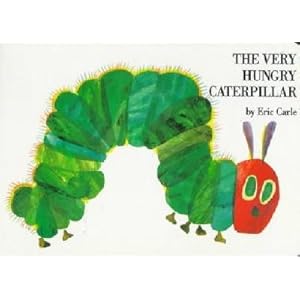
Another popular book, especially during spring, is The Very Hungry Caterpillar, by Eric Carle (1969, 1987). Concepts embedded in this pattern story of a caterpillar turning into a butterfly through metamorphosis include size, the days of the week, counting, and wise eating habits. Nearly 20 words may be unfamiliar to young children. Five of the sentences are 6 to 8 words in length, nine of the sentences contain 13-19 words, and the longest sentence is 40 words.

The Mitten, by Jan Brett (1989), is an adapted version of a Ukrainian folktale. This story contains more than 60 potentially unfamiliar words such as discovered, mole, snuffling, jostled, argue, disappeared, attracted, commotion, drowsy, lumbered, bulged, force, scattered, distance, silhouetted, and an abstract meaning of sound. The sentence length ranges from 4 to 36 words but most sentences are longer, comprised of at least 13 words.

Are children capable of comprehending so many unfamiliar words when they listen to a story? Are they able to learn them? Research suggests that not only are children able to learn new words at a surprising rate, exposure to unfamiliar words seems to “prime” their brains for learning more. An interesting phenomenon in young children is called fast mapping (first described by Carey and Bartlett in 1978) in which a young child may be exposed to a new word or concept in one salient instance, or with limited exposure, and can make an educated guess about the meaning within the context. The child is able to create a mental image of that word. In theory, this phenomenon begins during the language development stage when toddlers’ vocabulary seems to explode and continue through the preschool years. By re-reading the same book to children several times, new vocabulary words and related concepts are reinforced in the mental lexicon. (See How to Read to Children to Optimize Word Learning).

In a study conducted in 1988 looking at vocabulary in a variety of print and media contexts, Hayes and Ahrens identified that children’s books contained an average of 30.1 unfamiliar words per 1000. In contrast, educational television programs such as Sesame Street had only two unfamiliar words per 1000. It would be interesting to make a similar comparison today, 20 years later, to see if there have been changes in vocabulary in newer children’s books and if the writers of educational programs are including more complex vocabulary. One television program written with sophisticated vocabulary for young children is the Martha Speaks Program (prior post by Andy Biemiller).

The context is important in learning multiple meanings. For example, in The Mitten, the little boy’s grandmother, Baba, wants to see that he is “safe and sound.” This represents a new meaning for sound, not something heard. Also, Big Red Barn ends with the animals being “sound asleep” which is another meaning for sound, having nothing to do with the sounds animals make.

Using sophisticated storybooks is one of the best opportunities for young children to learn vocabulary and complex sentence structures needed for competent oral language use. An important job for us, as their language guides and facilitators, is to intentionally plan how to use those words to help make children’s learning wild, wonderful, and powerful.

Finally, it is important to read (and re-read) both fiction and nonfiction to young children. Fiction helps children develop story grammar and vocabulary. Nonfiction helps children develop vocabulary and content knowledge—something that becomes increasingly important as children advance in elementary school.

References:

Carey, S., & Bartlett, E. (1978). Acquiring a single new word: Proceedings of the Stanford Child Language. Papers and Reports on Child Language Development 15, 17-29.

Hayes, D. P.,  & Ahrens, M. G. (1988). Vocabulary simplification for children: A special case of “motherese”? Journal of Child Language, 15(2), 395-410.

Sunday, August 8, 2010

Helping Parents Become Strong Language and Literacy Partners (Berg)

Michele Berg, Ph.D. contributed the following post. Michele is the Director of the Center for Learning Disorders at the Family Service and Guidance Center in Topeka, Kansas (visit FSGC). Dr. Berg formerly founded and directed the Center for Learning Disabilities at the Menninger Clinic and served on the faculty of the Karl Menninger School of Psychiatry for over twenty years. She specializes in the diagnosis and treatment of complex learning disorders in children and adults and is a frequently invited presenter on the topics of early literacy development, dyslexia, memory disorders, nonverbal learning disorder, and ADHD at the state and national level. She served as the head of professional development for two Early Reading First grants and is a consultant to the FSGC Early Childhood Intervention Program.


When Susan asked me to write something for her awesome Vocabulogic site, I thought I would address preschool language and literacy interventions; however, Christie Cavanaugh provided such a wonderful and thorough piece on this topic that I decided to do an “infomercial” for a powerful program available through the American Library Association. And … if you have not yet read Part I and Part II of Dr. Cavanaugh’s post, I urge you to do so! 

EVERY CHILD READY TO READ @ your library is a joint project of the Public Library Association and the Association for Library Service to Children. A series of parent and caregiver workshops have been developed to help prepare parents for their critical role as their child’s first teacher; these workshops are offered by community libraries using resources incorporating the latest research. Drs. Grover C. Whitehurst and Christopher Lonigan, eminent researchers in early literacy, developed the ECRR curriculum and workshop tools which have been refined by library demonstration projects around the country. All of the information presented in the workshops has been approved by NICHD. The workshops are also appropriate for early childhood educators, child advocates, and policy makers. Three different workshops target a range of developmental needs: Early Talkers targets ages 0 to 2 years; Talkers targets 2 to 3 year olds; and Pre-Readers addresses the needs of 4 to 5 year olds.

Visit the Site
The ECRR program was developed as an outreach program to help to address the national crisis in reading. Roughly, about 35% of children who enter kindergarten do not possess the early language skills necessary for learning to read (Waldorf, 1994). Children who struggle the most come from low income/low education families regardless of race or ethnicity. These families often do not have books, newspapers, or magazines at home and live in neighborhoods that do not contain much environmental print. One study found that 47% of parents receiving public aid reported no alphabet books in their home in contrast with only 3% of professional parents. Other studies suggest that children from middle to upper income families have anywhere from 1,000 to 1,700 hours of shared book time with a parent or caring adult during their preschool years as opposed to 25 hours or less in low income or low education families (Adams, 1990).

The lack of shared reading is alarming since reading books to children is the most effective way to build vocabulary … and strong vocabulary skills are necessary for reading comprehension. Typically, an adult will use only about 9 “rare” words per 1,000 words when speaking to a child under 5 years of age. Three times as many rare words are encountered in children’s books (Trelease, 2001). While regular family conversations will help build basic vocabulary, reading books to children helps them leap into the rare words that are essential when it’s time for school and formal learning.

As a culture that values school and views education as one of the major routes to job and financial stability, we need to help parents gain access to the skills, books and other resources needed to create language-rich experiences in their homes. We cannot afford to wait until at-risk children enter kindergarten to begin efforts to level the language playing field. Pre/post testing demonstrates that parents who attend ECRR at the Library workshops make huge gains in the quality of reading and language activities they provide their children. Parents with the lowest income and parents with the least education made the largest gains in terms of implementing new skills; teen-age parents and parents of very young children also demonstrated significant gains.

What do the workshops target? The workshop curriculum stresses Six Skills to Get Ready to Read: Print Motivation, Print Awareness, Vocabulary, Phonological Awareness, Narrative Skills, and Letter Knowledge. The emphasis is on simple, fun, developmentally appropriate ways to increase language skills and comfort with books in order to better prepare children for later success in school. Participants actively explore materials and practice new skills matched to the age of their child. A broad range of resources to be used at home are provided. Parents are taught how to select books to reinforce different skills such as phonological awareness, vocabulary, or narrative skill; they learn how to read picture books with two and three year olds and/or Dialogic Hear and Say strategies to use with preschool-age children. Simple songs paired with movement are introduced. Tip sheets are sent home as are colorful activity sheets.

Community agencies around the country are pairing with local libraries to make ECRR available. Many parents of low education or low income are not comfortable with literacy environments and may visit libraries only to access music and movies. For this reason, it may be best to offer the parent workshops at other sites such as Head Start, Salvation Army, community-based preschools, or church-affiliated child care and preschools. Parents as Teachers staff can also be trained to offer the ECRR workshops. The possibilities are many. Visit the American Library Association website for additional information. Call your local library and promote the availability of ECRR in your area. Let’s support this important early literacy initiative!

And please remember … the information presented and the skills learned in the ECRR workshops are beneficial and enjoyable for all adults involved in the care of young children regardless of income or education level … parents, grandparents, early childhood educators, child care providers, Sunday school teachers … I am sure you can think of more.

Note: This post  builds on prior entries pertaining to the invaluable relationship between libraries and literacy. Fran Mancino's post urges us to support public libraries and Susie Goodin's post illustrates the relationship between school libraries and reading motivation. 

Sunday, June 6, 2010

Active Love for Libraries (Mancino)

Fran Mancino is librarian at St. Edward's University in Austin and has been actively involved with public and private libraries all her adult life. As a parent, she volunteered in school libraries and helped her children participate in story hour at the public library.

Cleveland Public Library
an early book mobile
My love affair with libraries began as a small child when my Aunt Louise took me on excursions to that marvelous wonder, the Cleveland Public Library. The children's area was an enchanted world on the second floor, entered through an arched doorway stenciled with colorful illustrations, just high enough to welcome a child. I knew I was destined to become a librarian when my Grandmother Brazaitis bought me a date stamp and lined paper to glue checkout slips in the Lithuanian encyclopedias. I’ve always had libraries, from the small storefront in South Euclid to the somewhat cramped quarters on the base in Germany. But the size didn’t matter, because libraries are magical. They hold the keys to literacy and the promise of hope. As we wonder through story hour we nurture our imaginations. Dreams take root in a library.

Cleveland Library (branch)
a good place to grow
It's easy to take libraries for granted. All communities have them, don’t they? Well, some don’t. Libraries are generally one of the first to be considered for budget cuts. In this current economic downturn, the outlook for library funding is grim. Not only is there the threat of drastic budget cuts, but some communities may have to permanently close their public library. Some state libraries will slash vital programs such as recordings for the blind and access to books in Braille.  
Library Advocacy Day is June 29
The message is not only to think about what libraries
can do for us but to rally support for continued funding.
The community library is one of the few public institutions that opens its doors and welcomes all, from infants to seniors. A library card is generally free for residents. The library provides programming from story hours to seminars, literacy training, free reference service and now access to an online world of databases and web searching. We have access to CDs, DVDs, tapes, Kurzweil machines. Special libraries have recordings for the blind and text enhancers. Resources for job hunting are there for the asking. 

Make a poster with
any photo at this link
We expect that our schools will all have libraries and trained librarians to assist our children. But lots of schools don’t have libraries or don’t have the budget to staff a library, instead relying on volunteers. Even university libraries feel the cut. As a parent, one of the most important aspects of a college search is the quality of the library.

The importance of libraries with trained staff is critical in this information age. With the proliferation and ease of searches on the internet, assistance in finding and evaluating relevant information becomes even more important. Future citizens must be taught to critically evaluate information and who better to help with that than a librarian?

Library Advocacy Day is something we can all support. View the video below. Register to support the American Library Association. Stop to consider how communities would change if there were no libraries and be vocal in support of them. Students, parents, teachers--everyone can speak and write in defense of these life-changing environments. We can’t let our library doors close and deny the magical gift of reading to future generations. Begin your own love affair with your local library.

Sunday, May 23, 2010

Building Oral Vocabulary in Primary-Grade Students with Very Small Oral Vocabularies (Graves)

This post is courtesy of Dr. Michael Graves, Professor Emeritus of Literacy Education at the University of Minnesota. As a researcher, Mike has examined--and continues to examine--variables related to vocabulary development and instruction. His most recent books on vocabulary are written for teachers as well as researchers, including Teaching Individual Words: One Size Does Not Fit All (2009), and The Vocabulary Book (2006). To read about Mike's comprehensive plan for vocabulary instruction, detailed fully in The Vocabulary Book, see my post: Four Ply Vocabulary Plan.
      
Vocabulary has been my major scholarly interest for something like 30 years, and over that period of time we have learned a huge amount about teaching vocabulary (see, for example, Baumann, Kameénui, & Ash, 2000; Blachowicz & Fisher, 2000; Graves & Silverman, in press). Most of what we have learned, however, is about teaching reading vocabulary. Recently, we have come to recognize that some students come to school with very small oral vocabularies (Hart & Risley, 1995, 2001). While most students arrive at school with oral vocabularies of perhaps 10,000 words, some English learners and some children of poverty arrive knowing just a fraction of that number of words. Building oral vocabulary in students who enter school with very small oral vocabularies is tremendously important and vital to their becoming successful readers (Biemiller, 2009, DeTemple & Snow, 2004; Graves, 2009).
       

Two key questions we face in helping these children are "How do we teach them oral vocabulary? and "Which words do we teach them?"  In this blog, I address each of these in turn.
 
How Do We Teach Oral Vocabulary to Primary-Grade Students with Very Small Vocabularies?     
Both observations of mothers reading to their young children and studies with preschool and primary grade students have repeatedly revealed a successful pattern of reading aloud and build oral vocabulary that goes by the name of interactive oral reading or shared book reading (DeTemple & Snow, 2004). There are several versions of the technique, but one of the best documented is that described by Biemiller (2009). It consists of selecting a number of short books, each of which contain 20 or so words that are not likely to be in your students' oral vocabularies, and working with each book over a five day cycle like this one.
  • On day one, probably a Monday, read the book once without stopping to define any words.
  • On days two-four, read it three more times, each time briefly defining about six unknown words as they come up in the reading so that over the three days you define about 20 words.
  • On the fifth day, review each of the 20 or so words taught in a different context but with the same meaning.
    
As Biemiller notes and as I would emphasize, because these children need to add a large number of words to their oral vocabularies, this is a long term process, extending over several years for many students.
Mike Graves, Pa ai Beach

Which Words Should We Teach Primary-Grade Students with Very Small Oral Vocabularies?     

Here, I consider two different groups of students and suggest a different source of words for each of these two. The first group is students with extremely small oral vocabularies, probably fewer than 2,000 words. There are not many of these students in a single classroom, probably only 2-4 of them even in a class with quite a few newcomers and children of poverty. However, those students who do fall into this group desperately need our help. The most important words for these students to learn are those that occur most frequently, those that they will stumble across repeatedly as they are reading if they don't know them. 

My colleague Greg Sales and I (Sales & Graves, 2009) have identified a set of about 4,000 words that we term The First 4,000 Words and created a web-based program to teach them. These words make up about 80 percent of the words in a typical text. This list, which ranks the words by frequency, and a description of the web-based program for teaching them are available at thefirst4000words.com. The list is in pdf format and available for download. To give you an idea of the words the list contains, the five most frequent words on it are the, of, and, to, and a; five middle-frequency words on it are file, boots, reflect, custom, and background; and the five least frequent words on it are abuse, loving, generous, excessive, and arteries. As I just said, you are likely to have very few students in your class that don't already know these words, but for students who do not already know them learning them is crucial.
    

The second group of students who need special help with oral vocabulary consists of students who already know most of The First 4,000 Words but whose oral vocabularies are still far smaller than those of average students. This is a considerably larger number of students, and if you teach a class that includes a number of newcomers and children of poverty a significant number of students in your class may fall into this group. Fortunately, Biemiller (2009) has developed a list of words specifically designed for building oral vocabulary in these students. It is called Words Worth Teaching in Grades K-2 and includes about 2,000 words, most of which are less frequent than those on The First 4,000 Words.  Some of the words from this list, which is not sequenced by importance or frequency, are absorb, against, laboratory, language, stumble, and study. The complete list is available in Biemiller (2009).
    

In summary, the main message here is that while most students come to school with large oral vocabularies, other students—some English learners and some children of poverty—come with very small oral vocabularies, and these students need special help. A technique called Interactive Oral Reading has been shown to be an effective teaching tool, and Sales and Graves (2009) The First 4,000 Words and Biemiller's (2009) Words Worth Teaching in Grades K-2 provide appropriate words to teach.

I look forward to your comments and suggestions. 

Mike Graves

References:
  • Baumann, J. F., Kame'enui, E. J., & Ash, G. E.  (2003).  Research on vocabulary instructing:  Voltaire redux.  In J. Flood, D. Lapp, J. R. Squire, & J. M. Jensen (Eds.), Handbook on research on teaching the English language arts (2nd ed., pp. 752-785.  Mahwah, NJ:  Erlbaum.
  • Biemiller, A.  (2009).  Words worth teaching.  Columbus, OH:  SRA/McGraw-Hill.
  • Blachowicz, C., & Fisher, P.  (2000).  Vocabulary.  In R. Barr, M. L. Kamil, P. Mosenthal, & P. D. Pearson (Eds.), The handbook of reading research, Vol. III.  New York:  Longman.
  • De Temple, J., & Snow, C. E.  (2004).  Learning words from books.  In A. van Kleeck, S. A. Stahl, and E. B. Bauer (Eds.), On reading books to children (pp. 16-36).  Mahwah, NJ:  Erlbaum.
  • Graves, M. F.  (2009).  Teaching individual words:  One size does not fit all.  New York:  Teachers College Press and IRA.
  • Graves, M. F., & Silverman, R.  (in press).  Interventions to enhance vocabulary development.  In R. Allington & A. McGill-Franzen (Eds.), Handbook of reading disabilities research.  Mahwah, NY:  Erlbaum.
  • Hart, B., & Risley, T. R.  (2003, Spring).  The early catastrophe:  The 30 million word gap.  American Educator, 27 (1), 4-9.
  • Hart, B., & Risley, T. R. (1995). Meaningful differences in the everyday experiences of young American children. Baltimore: P. H. Brookes.
  • Sales, G. C., & Graves, M. F.  (2009).  Web-based pedagogy for fostering literacy by teaching basic vocabulary.  Information Technology, Education and Society, 9 (2). 5-30.